|
||||||||||||||||||||||||||||||||||||||||||||||||||||||||||||||||||||||||||||||||||||||||||||||||||||||||||||||||||||||||||||||||||||||||||||||||||||||||||||||||||||||||||||||||||||||||||||||||||||||||||

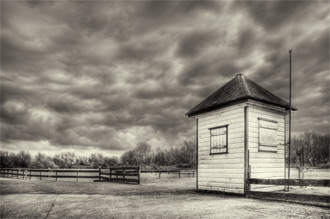
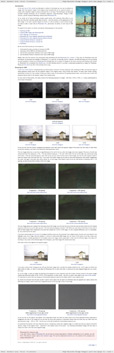
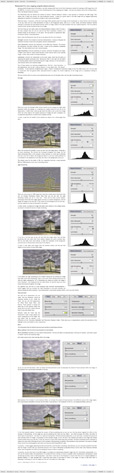
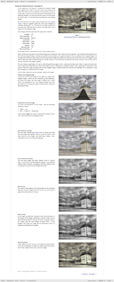
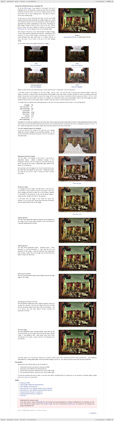
An introduction to the ‘High Dynamic Range images: part two’ tutorialThis is the second part of a multi-part tutorial on creating High Dynamic Range images using Photoshop and Photomatix Pro. In this part we take a detailed look at how you can use Photomatix Pro to create and tone map your images, using both the Tone Compressor and Details Enhancer methods. The bulk of this tutorial is taken up with working through the various settings you need to adjust to produce your tone mapped images, but we also include two example images, both of which were produced using the Details Enhancer method. See below for further details. The specific topics covered include:
This tutorial contains 6092 words, 93 illustrative images and screen grabs, and has received 9 comments. Please note that this tutorial requires Photoshop and Photomatix Pro. Photoshop files included with this tutorial
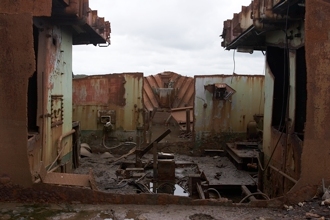
Each of our tutorials is based around a series of layered Photoshop files, at the resolution originally posted on chromasia, which you can download after you subscribe to the tutorial. The images used for this tutorial, and a brief description of each, are included below.
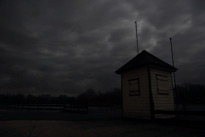
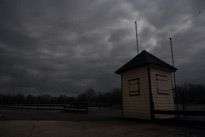
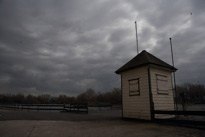
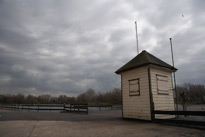
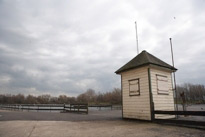
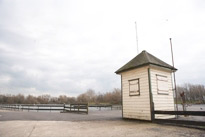
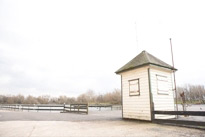
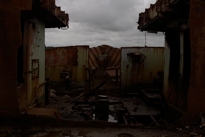
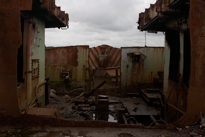
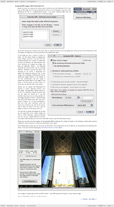
The bracketed sequence used for Image 1
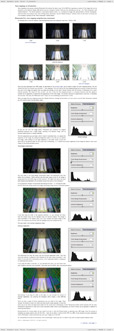
The bracketed sequence used for Image 2
What our subscribers have said about this tutorial
Content overview (the rollover graphics and embedded videos are not illustrated)
How to subscribe
Further information
To find out more about our other individual tutorials please click any of the following images. Alternatively, you can visit our main tutorials page for further information on: our annual subscriptions; our forthcoming issues; and our current members’s offers. You can also read through our sample tutorial on Tonal Range and the Curves tool.
Photomatix Pro: discount code David J. Nightingale © 2003–18 • all rights reserved
|
↓ David
↓ Libby
↓ Get the Latest News




software links
 Our annual subscribers and lifetime members can obtain a 15% discount on any of the Topaz Labs Photoshop plugins or plugin bundles.
 Our annual subscribers and lifetime members can obtain a 15% discount on Photomatix Pro.
training partners   Included above are links to a number of our training partners that we unreservedly recommend.
| |||||||||||||||||||||||||||||||||||||||||||||||||||||||||||||||||||||||||||||||||||||||||||||||||||||||||||||||||||||||||||||||||||||||||||||||||||||||||||||||||||||||||||||||||||||||||||||||||||||||||